
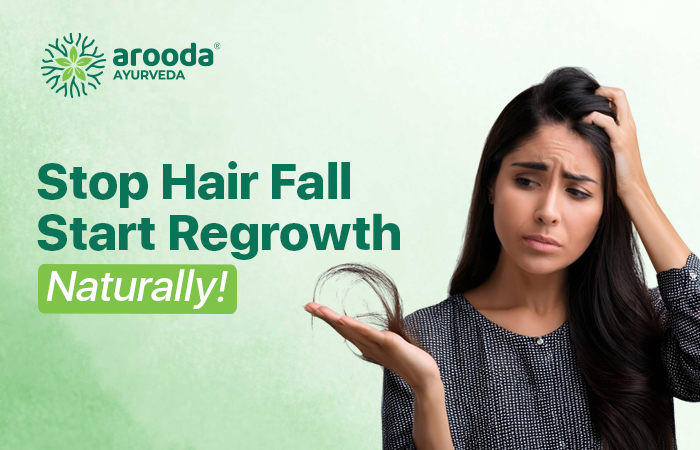
Some amount of hair falls in our comb every day while combing our hair, but it is a natural process of our body. But if the amount of hair fall is more than a hundred strands, then it is not to be taken as a normal process. Then you must be facing a problem of hair fall. So, what do you need to do to stop hair fall and regrowth the hair? The solution is Ayurveda for your hair loss.
An imbalanced diet and excessive consumption of junk food are the most common causes of hair fall. Stress, anxiety, and improper sleep also cause hair loss. According to Ayurveda, all the above-mentioned habits cause Pitta Dosha. That’s why Pitta Dosha causes hair loss. If your Pitta is disturbed, it causes overheating of the hair follicles, which causes weak and brittle hair and slow hair growth.
Best Ayurvedic Hair Loss Treatment in Hyderabad
Causes of Hair Fall
Genetic Causes and Androgenic Alopecia
Most forms of hair loss are due mostly to genetics passed down through families. The most common form of inherited hair loss is androgenic alopecia (androgenic DHT hair loss), where hair begins to thin out as hair follicles continue to shrink over time due to the build-up of DHT (or dihydrotestosterone) within the body. Ayurvedic Medicine refers to this as Sahaja Prakriti. Although there is often little we can do about our genetic disposition to experience hereditary hair loss, Ayurveda also provides us with tools to stop or slow down the process through diet, lifestyle changes, and maintaining balance in our three doshas: Vata, Pitta, and Kapha. Additionally, we can support the health of our Asthi Dhatu (blood and bone) tissues, which are responsible for producing hair and bones.
Environmental & Lifestyle Factors
Polluted environment; chemically treated water; blow drying (heat styling tools); harsh/shampooing; hair dyes; and all cause damage to the scalp and weaken the hair shaft from excess exposure to these elements. Along with improper washing habits, excessive oil build-up, and/or the use of synthetic hair products and/or too many chemical treatments to your hair, all will lead to congestion of the hair follicle. Based on the principles of Ayurveda, these external factors are referred to as Agantuja Hetu (causes of external diseases) and will have a disturbing influence on each person’s natural doshic balance, therefore, causing hair loss.
Hormonal Imbalances and Endocrine Disorders
Hair follicles respond rapidly to hormones, which means they’re greatly impacted and experience distress from a variety of hormones throughout pregnancy, immediately after giving birth, going through menopause, having polycystic ovary syndrome (PCOS), and having thyroid disorders, etc. Elevated levels of cortisol (a stress hormone), fluctuating estrogen levels, and thyroid hormone imbalances all negatively affect hair growth cycles and therefore lead to increased hair shedding as well. According to Ayurveda, the hormonal changes that take place also represent Pitta and Rakta Dushti (impaired blood flow), causing negative effects on the health of the scalp and the strength of the hair root.
Microbial Imbalances & Scalp Infections
Scalp infections, including Seborrheic dermatitis, tinea capitis (ringworm) and other bacterial infections, produce a weak environment for hair follicles to grow strong. Ayurveda explains that an excess of microorganisms on the scalp will be created from too much kaph and/or pitta dosha, resulting from an excess of heat and/or moisture, leading to an infection. To maintain a healthy scalp microbiome, your scalp hygiene practices and the use of herbal antiseptics must be effective.
Stress-Induced Hair Loss and the Role of the Mind
Long-term exposure to chronic stress negatively impacts the overall health of your hair. It can also be the cause of premature hair loss through excessive shedding associated with telogen effluvium (the vast majority of your hair goes into an in-between phase before new growth). When under stress, your cortisol levels increase, causing reduced blood flow to the scalp, therefore interfering with the functionality of your hair follicles. Ayurveda views that stress-related hair loss occurs as a result of the Vata dosha becoming aggravated. The Prana Vayu (the energy associated with all mental functions) is also an important factor to consider in the health and/or greyness of one’s hair because it determines the level to which hair is nourished.
Deficiencies in Nutrition and Weakness in Digestion
Keratin, a type of protein that is an important component of your hair, requires a consistent intake of the following nutrients to be fully formed: zinc, vitamin D, biotin, omega-3s, amino acids, and iron. When any one of these deficiencies in your diet exists, then you will experience some level of brittleness, thinning or weakness in your hair.
Ayurvedic Ways to Stop Hair Fall
Rejuvenation and Scalp Nourishment (Shamana Chikitsa)
The process for treating hair loss can vary based on a patient’s individual needs. In Ayurveda, we use two types of treatment: shaman (or treating directly) and shodhan (or removing excess dosha). We apply both types of treatments to help patients with hair loss using a combination of medications and panchakarma therapies, including:
Shirodhara
Shirodhara (the treatment of pouring warm oil onto the head) helps elevate circulation in the body by increasing blood flow to the area where it is being applied. It is one of the most effective methods of Ayurveda for treating hair loss.
Ayurvedic Shirodhara Treatment in Hyderabad
Shiro Abhyanga
The purpose of shiroavhya is to operate on one’s scalp to increase nutrition to the roots and scalp, helping to reduce the number of grey hairs and enhance the functioning of the sense organs as well. Different types of oils offer benefits for nourishing hair follicles and providing nutrition for the ends of the hair, such as sesame oil, coconut oil, bhringraj oil and bhringamalakadi oil.
Shiro Lepa
A thorough application of a paste called shirolepa will be made over the complete scalp of the head. This treatment will remove dandruff from the hair and scalp, control hair frizzies, repair split ends, and also help to limit hair fall. Combined with regular sleep and diet, adequate hydration is essential for proper hair growth and maintenance.
Detoxification Therapies (Shodhana Chikitsa)
Nasya
Nasya is another important part of the hair loss process. Oil is instilled into the nose for shiro ayurvedic therapy with desi ghee and anu tailam, as used in nasya karma.
Virechana (Purgation Therapy)
The removal of excess pitta from the body through this purgation (Virechana) is intended to reduce inflammation in the body and create a healthier hormonal balance.
Jaloukavacharana (Leech Therapy) and Prachana Karma (Bloodletting Therapy)
The use of leeches (jaloukavacharana) with bloodletting techniques (prachana karma) is intended to remove toxins from the blood and promote better circulation to the scalp, thereby reducing the incidence of hair loss.
Conclusion
Many external factors (e.g., nutrition, stress, and diet) can affect your hair health, but the internal factors (e.g., emotional well-being). However, they can also affect your hair health. Since Ayurveda works to create good hair from the inside out by addressing the root of the problem versus just dealing with the visible symptom on your hair’s ends, you will be able to develop a consistent method for nutritionally supporting your overall health and using the appropriate herbs will ultimately result in an overall better state of your hair health over time.