
Many individuals associate migraines with pain and their impact on daily activities. A migraine is the most common headache-causing type of disability in the world today. It is thought that 14.7% of all people (almost 1 in every 7 people) in the world have had a migraine at some point in their lives. Migraines are considered “episodic,” meaning they occur intermittently. They can be debilitating due to the severity of the one-sided throbbing/pulsating headache. These headaches often occur between 1-7 times per day for several days at a time. The duration from onset of headache to resolution can range from 2-72 hours. Women have 3 times the chance of having a migraine as men, especially between the ages of 14-50.
In addition to pain, a migraine is often accompanied by various other debilitating symptoms. Patients may experience nausea and/or vomiting, which is also frequently referred to as “sick headache”. People with migraine attacks may also be sensitive to light (photophobia) and sound (phonophobia), resulting in victims seeking dark, quiet areas for relief and comfort. Some individuals may experience an “aura”, which is a collection of sensations including blurry vision, blind spots, bright flashes of light, momentary blind spots, and/or “pins-and-needles” prior to the headache intensifying. In this blog post, we will cover the Causes, Types, and Triggers of Migraines and their Ayurvedic Treatments.
Migraine in Ayurveda
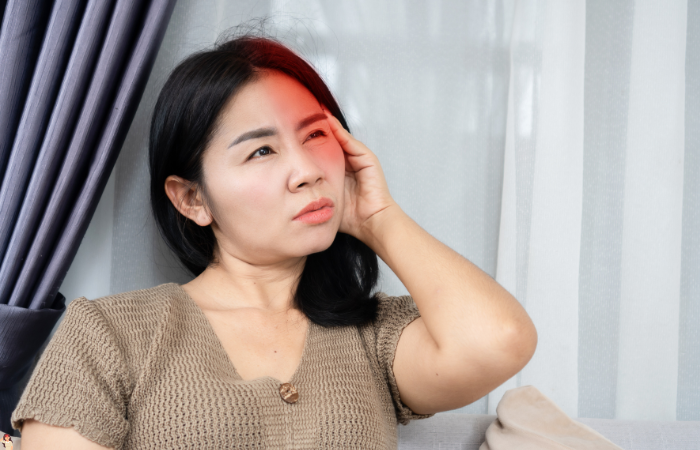
Migraine headache relates to Ardhavbhedaka in Ayurveda, which means ‘Headache of One Side’. The roots of the term Ardhavbhedaka refer to Ardha (One Side) and Avabhedaka (meaning an erupting, penetrating, or bursting kind of pain), and this correlates perfectly with the characteristics of migraine, a one-sided headache. In Ayurveda, there are various classifications of headache termed Shinorogoma, or the classification of headache as one of three Dosha (Vata, Pitta and Kapha). Ardhavbhedaka is still considered predominantly a Vata and Pitta-dominant Tridoshaja Vyadhi (Tridosha refers to a disorder of 3 Dosha, or Vata+Pitta+Kapha); however, when an imbalance of either single Dosha occurs, it will also produce Ardhavbhedaka.
Best Ayurvedic Treatment for Migraine in Hyderabad
Migraine Causes as per Ayurveda
Ayurveda’s causes of migraine include genetic, environmental, metabolic and hormonal causes, which all create vitiated doshas. Most migraines are due to two main contributing factors: a disturbed nervous system and poor digestion. In cases of Ardhavabhedaka (migraine headache), the gastrointestinal tract is as significant a contributing factor as the nervous system; therefore, migraine patients have symptoms of both stomach (acidity) and brain (pain).
The primary causes and triggers of migraine from the perspective of the Ayurvedic system are:
- Imbalanced Doshas: The primary cause of migraine is an imbalance between Vata (aerial) dosha and Pitta (fiery) dosha; Vata governs the function of the nervous system and brain, while Pitta governs the function of the metabolism and circulation. An imbalance between these two doshas leads to decreased metabolic capacity of the body and an irritated nervous system.
- Poor digestion and Ama: Ama is formed when digestion is impaired, resulting from an unbalanced diet and poor lifestyle choices that weaken digestive fire (agni). When ama accumulates, it blocks channels of circulation in the body (srotas), including the channels associated with the mind (manovahi srotas), causing pain.
- Nervous Sensitivity and Dull Ojas: An injured nervous system caused by trauma and a depletion of the spinal cord (ojas) will lead to further loss of the inherent strength of the body. Hence, the person will be increasingly susceptible to migraine pain episodes.
- Weakness of Vasomotor Power: Decreased vascular (vasomotor) power through variances in the capillary.
Viharaja Nidana defines the causes of a person’s lifestyle
- Stress: Common contributors to headaches include mental or physical stress, being rushed, overanalysing things, being afraid, being depressed, and feeling anxious; having a lot of mental tension; and holding in your instinctive urges.
- Sleep Disorders: Sleep disorders include insomnia, irregular sleeping patterns, sleeping too much during the day (Diva Swapna) or having sleep problems at night (Ratri Jagarana).
- Physical Exercise: Both insufficient exercise and excessive physical activity may contribute to an imbalance of vata dosha.
- Other Behaviours: Smoking and/or being exposed to secondhand (passive) smoke; excessive sexual activity (atimaithuna); excessive talking (atibhasya).
Environment Affects
- Sensory stimuli: Bright lights, loud sounds, strong odours/perfumes, and bad-smelling things.
- Temperature extremes: Direct sunlight, extreme heat, too much sweating, extreme cold, and cold wind (Sheet marut sansparshaat).
- Weather changes: Changing weather conditions, high altitudes, and changing barometric pressure.
Hormones Have an Effect on Migraines
Women experience headaches (including migraines) in relation to their hormone levels. Hormonal fluctuations correlated with the menstrual cycle can be a significant factor associated with their occurrence.
Typical Triggers
- Not having regular meal times: This could mean you are missing a meal, fasting, or eating food before the digestion of the previous meal is complete.
- Types of food/beverages consumed: junk food, processed foods (foods that have been altered in some way); high-calorie meals, white sugar, white flour, dairy, meats, coffee, chocolate, cheese, ice cream, excessive sugar & salt, caffeine, tea, and all types of alcohol (even wine or beer).
Drinking too many COLD beverages – including alcohol.
Ayurvedic Categories of Migraine
According to Ayurveda, headaches (or migraines) can be classified into the following types depending on which Dosha is the aspect of the headache:
- Vataja Ardhavabhedaka: Headaches caused by excess (aggravated) Vata (the air element). This headache results from the agitating effects of the Vata effect. Dietary and lifestyle reasons for Vata-Ja Ardhavabhedaka headaches are the following: Lack of sleep (insomnia); not enough time to be well-rested, anxiety due to time constraints, indigested food, fasting, irregular eating schedule, fear, continually having to cope with stressful situations, cold or overly hot environmental conditions, and suppression of natural urges.
- Pittaja Ardhavabhedaka: This type of Ardhavabhedaka is set off by an imbalance of Pitta Dosha and can result from the consumption of foods and beverages that create heat and/or inflammation in the body, such as spicy and/or fried foods, alcoholic beverages, sun exposure, excess heat, excessive perspiration and/or stress. Symptoms of this type are usually irritability, photophobia and/or burning sensations in the eyes.
- Kaphaja Ardhavabhedaka: This type of Ardhavabhedaka occurs due to the same types of practices that irritate Kapha (i.e., consumption of heavy and high-caloric foods, consumption of processed foods, consumption of canned foods, consumption of dairy/frozen foods, consumption of fermented foods, consumption of meat and/or insufficient physical activity and/or sleeping too much during the day). Typical symptoms of this type are a heavy sensation and/or dull pain, throbbing pain, nausea, lethargy and/or congestion of the sinuses and/or a sensation of fullness in the head.
- Tridoshaja Ardhavabhedaka: It is possible for all three Doshas, Vata, Pitta and Kapha, to be exacerbated simultaneously. When this occurs, the patient will display a complicated combination of the three different symptomologies, and treatment will be substantially more challenging. For example, one patient with Tridoshaja Ardhavabhedaka had recurrent headaches on the right side of her head, hemicranial with approximately eight headaches per month, which were accompanied by nausea, vomiting, a feeling of burning in the epigastrium and/or sour belching. Sunlight and/or loud noises aggravated the patient’s symptoms.
Ayurvedic Treatment for Migraine
Migraine treatment is viewed holistically by Ayurveda in order to achieve the goal of removing the cause of the sickness as well as restoring the balance of the mind and body systems. Ayurvedic treatment options fall into 2 main categories, which are Shodhana (purifying) and Shamana (calming).
Shodhana
This procedure causes the body to expel an imbalance of doshas for a greater degree and duration of relief.
Nasya (Administering through the Nose)
An important method of purifying the body biologically using nasal administering of drugs (medicated oil, etc.) Therefore, the substances applied to the nasal passages enter the brain directly and provide therapeutic action to the headaches, as well as to the eyes, ears, and throat. The body absorbs the oil or other medications administered through the nasal passages very quickly (via the submucosal vasculature and the nasal epithelium) with almost immediate systemic effects. All research conducted on the efficacy of nasal alternatives indicates that they are effective in reducing the severity, occurrence, and duration of migraine and related symptoms (such as nausea, vomiting, dizziness, or aura).
Virechana (Therapeutic Purgation)
This procedure utilises medication-induced cleansing via the gastrointestinal system to remove excess liquid, cellular fluid and biochemicals from the body. Virechana intends to modify biochemicals and regulate fluid levels in the body, thereby improving the metabolic status of the body and the efficacy of subsequently prescribed medications.
Siravyadha (Bloodletting)
Siravyadha (bloodletting) is to be considered in instances where other treatment modalities have been ineffective in managing their patients’ symptoms; however, Siravyadha should be done on a customised basis, before the performance of Siravyadha.
There have been improvements observed in the frequency and severity of migraine-related symptoms, including decreased frequency of migraines associated with sensitivity to light (photophobia) and excessive warm feelings in the head region, as well as significant improvement in multiple Migraine Disability Assessment Scale (MIDAS) scores and reduction in Numerical Pain Ratings (NPR) following Siravyadha treatments.
Ayurveda has many types of External Therapies
- Shirolepa: This therapy involves applying a herbal paste on the forehead to help with Pitta Dosha.
- Shirodhara: A steady stream of oil, milk or buttermilk is poured over the scalp to calm the mind and balance Vata and Pitta.
- Shirovasti: Medicated oil is placed in a small cap made of leather and placed on top of the head to help calm the mind and reduce stress.
- Agnikarma (Cautery): Heat is used to stimulate the nerve fibers that inhibit pain and help to reduce irritation in the area being treated.
- Shamana Medicines: These consist of ghee-based medicines taken orally to provide relief from symptoms and restore the balance of all three doshas.
Conclusion
Ayurvedic medicine provides comprehensive care for people suffering from migraines by treating them not just with medications to relieve symptoms but also to address the cause of their migraines. A person will receive this comprehensive treatment through all three approaches: cleansing the body, calming the body, and making dietary and lifestyle changes to provide long-lasting relief from migraines and significantly improve the quality of one’s life by controlling the symptoms and preventing future episodes of the condition.