
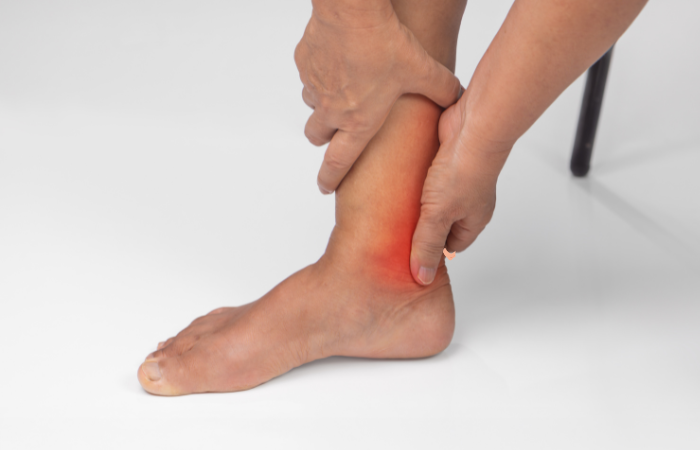
Pain in your foot can have far-reaching impacts on your daily activities, from walking, standing and sleeping, as well as being able to perform everyday tasks. No matter whether it’s pain from your heel, soreness of the ball of your foot, aching arches, or having stiffness in your feet (or a combination of all those), Ayurveda provides you with effective, long-lasting and proven ways to help you manage your foot pain.
Ayurveda takes a holistic approach to treat your foot pain and, unlike conventional medicine, does not just mask symptoms; it treats the root cause of foot pain, taking into account your dosha (your unique body type), your lifestyle, your posture and your accumulated toxins (ama).
This article will provide you with the 6 best Ayurvedic solutions for foot pain relief.
Common Causes of Foot Pain in Ayurveda
According to Ayurveda, foot pain is caused by many reasons, including:
- Vata imbalance: Results in dry, cracked & stiff feet & nerves.
- Kapha imbalance: Causes swollen, heavy feet & has slow circulation.
- Ama Accumulation: Due to improper digestion & toxin build-up.
- Overworking feet or prolonged standing.
- Unsupportive footwear
- Impact of stress on muscle tone & blood flow to the feet.
Best Ayurvedic Clinic In Hyderabad
How Foot Pain Shows Up by Dosha
Foot pain can be caused by an imbalance between the body’s natural constitution (prakriti) and the doshas. The quality of foot pain will differ based on which dosha is out of balance.
Vata-Type Foot Pain
Description: Vata-type foot pain is identified by the presence of sharp, shooting, dry, or intermittent pain, experienced worse in the evening, on cold days, and after excessive use.
Symptoms: Itching, cracking of joints, stiffness, tingling sensations, and/or nerve pain.
Support for Vata-Type Foot Pain: Warm oil massage, grounding foods, enough rest, and gentle warmth.
Pitta-Type Foot Pain
Type of pain: Burning, inflamed, warm to the touch
Timing: Worse in the afternoon and during physical activity
Common Symptoms: Redness, swelling, warmth, and internal irritation
Foot Self-Care Ideas: Cooling oils (for example, Coconut), anti-inflammatory herbs, cool and less intense activity.
Kapha-Type Foot Pain
Type of pain: Achy, Heavy, Dull, Swollen
Timing: More pain when you first wake up and when you have not moved much; otherwise, the pain is less severe if you keep moving your body.
Common Symptoms: Swollen Feet or Ankles (Puffiness), Decreased Circulatory Function (Sluggishness), Fluid Retention, and Cold Feet or Extremities.
Foot Self-Care Ideas: Foot Therapies to Increase Circulation (such as Udwarthana), Foot Baths with Herbs to Soften and Improve Circulation and Stimulation, and Active Movement to Stimulate Circulation.
You can take this quick dosha test/quiz to see if your foot pain may be related to a specific dosha.
Common Varieties of Foot Pain
- Plantar Fasciitis – (Heel) Pain
- Fallen Arches / Flat Feet
- Metatarsalgia – (Ball Of Foot) Pain
- Heel Spurs (Bone Spurs)
- Burning Or Tingling Sensations (Neuropathy)
- Heaviness / Swelling
- Prolonged Standing Susceptibility to Pain
6 Best Ayurvedic Solutions for Foot Pain Relief
- Padabhyanga (Ayurvedic Foot Massage): Applying warm sesame oil and Bala Ashwagandha along with Mahanarayana oil to the feet has been shown to improve blood circulation through the legs; relax tense muscles; nourish nerve endings and joints. Massaging your feet just before sleep will not only help ground you after a long day but also allow time for resting overnight and recuperating.
- Medicated Herbal Oils to be used topically: Herbal oil preparations such as Dhanwantharam Oil and Vishagarbha Oil have therapeutic benefits when absorbed into the skin. When applied to painful areas of muscular or connective tissue, they penetrate into the deeper layers of tissue, providing relief by reducing swelling and inflammation in those areas. For optimal results, use these oils in conjunction with localised therapies where appropriate.
- Herbal Soaks for Feet: Soaking the feet in Epsom salt (or in a decoction of Dashamoola or Triphala or Nirgundi) will help pull toxins out of the body, relieve sore muscles in the feet, and reduce inflammation.
- Marma Therapy (Marma Point therapy): Stimulating the energy centres in the feet will help to clear out blockages, provide healing, and relax the nervous system. If someone has an imbalance of Vata energy in the feet, Marma Therapy can be extremely beneficial for them.
- Herbal Support for Reducing Inflammation: Under the guidance of a qualified practitioner, you can take Guggulu, Shallaki (Boswellia), Ashwagandha or Castor oil internally for reducing inflammation, supporting mobility and repairing tissues.
- Changing Your Posture and Lifestyle: Wearing supportive and comfortable footwear. – Stretching daily in an easy way. – Warming up before exercising. – Keeping off cold ground (don’t stand on it). – Limiting how long you stand, etc. Doing gentle yoga can be another way to establish long-term proper alignment of the feet.
Conclusion
Healing heel pain requires complete treatment and management because it is so common. The concepts of Ayurveda, combined with new age diagnosis, offer us a complete way to treat symptoms as well as provide insight into what is causing the pain in your heel. Most people experiencing this condition usually find great results from these two types of treatments. Knowing how doshas, especially a Vata imbalance, fit into healing, along with looking at both structural and lifestyle considerations, will help develop better practices to assist in relieving the pain that is felt. Proper footwear, doing appropriate types of exercise, and using Mindfulness practices when moving are all ways to assist in both reliving the pain and preventing it from returning. An integrated approach to the care of your heels using the principles of Ayurveda focuses on relieving your pain, controlling your symptoms, and taking steps to correct any issues that may cause your heel pain so that you do not have to continue to deal with the problem.