
Ayurvedic treatment for migraine in Hyderabad works by addressing the two doshas that drive most migraine attacks — aggravated Vata, which causes the throbbing and hypersensitivity, and excess Pitta, which drives the burning pain, light sensitivity, and visual disturbances. Pain medication manages the attack after it starts. Ayurveda works on what starts it.
Most people who arrive at a clinic asking about Ayurvedic treatment for migraine in Hyderabad have already been through the cycle. Triptans, NSAIDs, sometimes beta blockers. The medication handles the attack. But the attacks keep coming, often more frequently over time, and the medication itself can eventually trigger rebound headaches. That’s when people start looking for a different approach.
Best Ayurvedic Treatment for Migraine in Hyderabad
What Ayurveda Calls Migraine
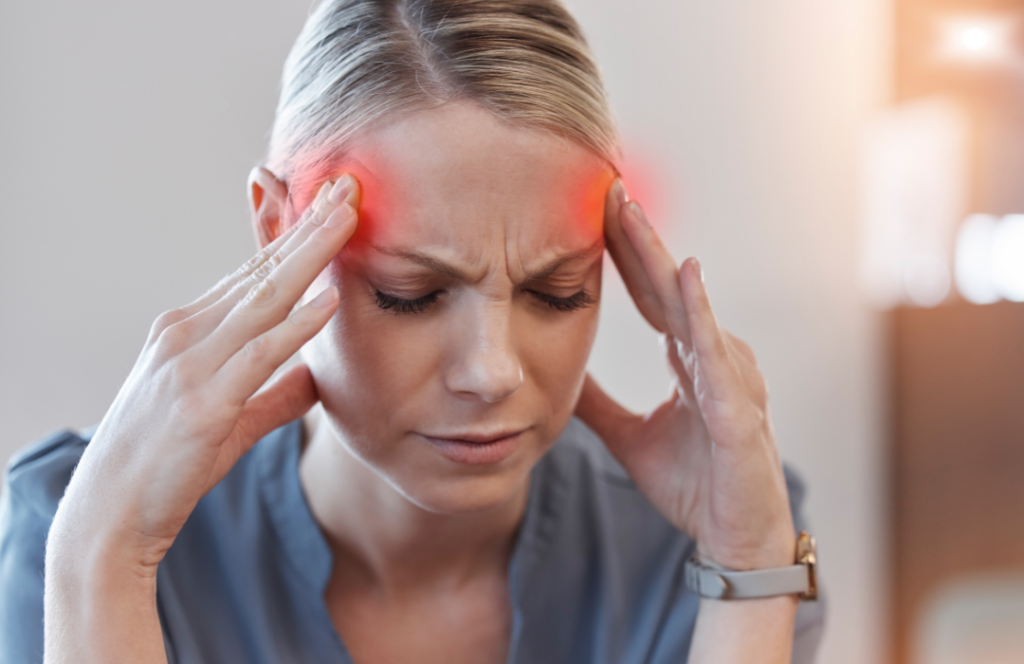
The classical Ayurvedic name is Ardhavabhedaka — which translates roughly as “half-head splitting pain.” The name is accurate in a way modern medical terminology isn’t: it describes the exact experience rather than a neurological category.
Ayurveda classifies it under Shiro Roga (head disorders) and treats it as primarily a Vata-Pitta imbalance, with Kapha involvement in some cases.
Here’s what each dosha is doing:
Vata aggravation affects the nervous system directly. An aggravated Vata makes the nervous system hypersensitive — which explains why a migraine sufferer can be triggered by bright light, a specific smell, or even a change in weather that other people don’t notice at all. The throbbing, pulsating quality of the pain is also Vata-driven.
Vata aggravation affects the nervous system directly. An aggravated Vata makes the nervous system hypersensitive — which explains why a migraine sufferer can be triggered by bright light, a specific smell, or even a change in weather that other people don’t notice at all. The throbbing, pulsating quality of the pain is also Vata-driven.
Ama accumulation in the Rasa and Rakta Vaha Srotas obstructs circulation to the head. This is the pathway through which poor digestion directly worsens migraine frequency — Ayurveda has understood this link for centuries, and current neurological research on the gut-brain axis is arriving at the same conclusion from a different direction.
Talk to Us About Your Migraine
Arooda Kerala Ayurveda offers Shirodhara, Nasya, Shirovasti, and Panchakarma for migraine and related head conditions across our Srinagar Colony, Gachibowli, and Alkapur Township branches in Hyderabad. If you’ve been managing attacks rather than preventing them, a physician consultation is where that changes.
Chat on WhatsAppWhy Migraine Is So Common in Hyderabad
The IT professional who stares at a screen for ten hours under fluorescent lighting, eats irregularly, sleeps at inconsistent times, and manages high deadline pressure is essentially running the Pitta and Vata aggravation checklist in real time.
Specific patterns that drive migraine in a Hyderabad context:
- Long screen exposure directly aggravates Pitta through the eyes, which Ayurveda has always classified as a Pitta organ
- Irregular meals and skipping meals are among the most consistent migraine triggers — and both aggravate Vata
- Air conditioning exposure and cold-to-hot transitions aggravate Vata further
- Chronic stress loads the sympathetic nervous system, keeping Vata elevated even during off hours
- The combination of late nights and early mornings breaks Vata’s natural daily rhythm
The digestive link matters here specifically. Hyderabad’s food culture — rich, spicy, late dinners — puts sustained Pitta load on the digestive system. When Agni weakens and digestion becomes inefficient, Ama accumulates, and migraine frequency tends to increase.
Ayurvedic Treatments for Migraine in Hyderabad
Shirodhara
This is the treatment most people know by name, and for migraine specifically it’s the one with the clearest mechanism. A continuous stream of warm medicated oil — Brahmi oil, Ksheerabala oil, or Chandanadi oil depending on the presentation — is poured in a steady flow over the forehead’s central point for a set duration.
The effect on the nervous system is measurable. Shirodhara has been shown in clinical studies to reduce cortisol levels and calm sympathetic nervous system activity — both directly relevant to migraine, since stress-mediated cortisol spikes are one of the more consistent triggers. The rhythmic nature of the oil flow induces a theta brainwave state associated with deep relaxation and pain threshold increase.
For migraine, Shirodhara works best as a course rather than a single session — most patients report meaningful reduction in attack frequency after five to seven sessions.
Nasya
Ayurveda describes the nose as the doorway to the head — Nasya is the practice of administering medicated oil through the nasal passages to clear Ama and balance doshas in the head region. The oils most commonly used for migraine — Anu Taila and Shadbindu Taila — have documented anti-inflammatory and vasodilating properties.
Nasya is particularly indicated when migraine accompanies sinus congestion, cervical issues, or chronic head heaviness. The nasal route delivers medication directly to the mucosal tissue of the upper respiratory tract, which sits in close proximity to the cranial nerves most involved in migraine pathophysiology.
Shirovasti
Warm medicated oil is held within a sealed cap placed on the head for a prescribed duration. The oil penetrates directly into the scalp and deeper tissues, calming the nervous system and providing targeted relief to the head region. This is particularly useful for migraine presentations with severe throbbing, depression as a comorbidity, or chronic daily headache.
Panchakarma for Migraine
For patients whose migraine is chronic, severe, or complicated by other conditions, a Panchakarma programme addresses the root dosha imbalance rather than just managing the head symptom.
Virechana (therapeutic purgation) is the primary Panchakarma treatment for Pitta-driven migraine — it systematically eliminates excess Pitta from the small intestine and liver. Patients with migraine that accompanies acidity, burning sensations, or irritability are most likely to benefit.
Vamana (therapeutic emesis) is used when Kapha is significantly involved — migraine with accompanying congestion, heaviness, and nausea that precedes the headache.
Siravyadha (bloodletting) — referenced in classical texts and clinical studies published in the Journal of Ayurveda and Integrative Medicine — has shown effectiveness for migraine presentations with significant Rakta dushti (blood vitiation).
Herbal medicines alongside therapies
Internal formulations run parallel to external treatments:
- Brahmi — reduces stress and supports nervous system function — directly relevant to both Vata and the stress-migraine link
- Shankhpushpi — a cooling herb specifically indicated for Pitta-induced presentations — burning pain and light sensitivity
- Ashwagandha — as an adaptogen lowers cortisol, which is the specific mechanism by which chronic stress translates into migraine frequency
- Kalyanaka Ghrita — a medicated ghee preparation documented in clinical research for reducing migraine intensity and frequency
- Avipattikara Churna — used specifically for Pitta clearance, relevant when digestive complaints run alongside migraine
Diet and Lifestyle — the Maintenance Layer
Treatments do the heavy work. Diet and lifestyle determine how long the results last.
What helps:
- Warm, freshly cooked meals at regular times — the single most consistent dietary intervention for reducing migraine frequency
- Pomegranate, grapes, apples — natural Pitta-cooling fruits
- Ghee in small amounts — supports Agni without aggravating Pitta
- Herbal teas over caffeine — caffeine is a short-term pain reliever and a long-term migraine perpetuator
- Consistent sleep and wake times — regularity is what Vata needs most
What makes it worse:
- Caffeine, alcohol, aged cheese, artificial sweeteners — all documented Pitta/Vata aggravators and standard migraine trigger list items
- Processed food and irregular meals
- Staying in direct air conditioning for extended periods
- Skipping meals — reliably triggers Vata
The dietary guidance Ayurveda gives for migraine overlaps substantially with what modern headache specialists recommend for trigger avoidance. Different conceptual framework, same practical conclusions.
What to Expect at Arooda Kerala Ayurveda
The consultation at any of Arooda’s three Hyderabad branches starts with Prakriti assessment, current dosha status, and a review of your migraine pattern — frequency, triggers, which phase of the attack is worst, any accompanying symptoms (acidity, visual aura, neck pain). This determines whether Shirodhara and Nasya alone are sufficient, or whether a longer Panchakarma programme is needed.
Most migraine patients on a standard programme (Shirodhara + Nasya + internal medicines) report reduced attack frequency within the first two to three weeks. Reduction in severity typically comes first — attacks that used to last two days begin resolving in a few hours. Full stabilisation usually takes six to twelve weeks of consistent treatment.