
You wake up feeling tension in your eyes and a heavy forehead, and painful cheeks? The nose is feeling blocked; every breath feels like an exercise. This is typically one of the initial signs of a sinus infection. In Ayurveda, the sinusitis condition is known as Apeenasa or Peenasa, and the chronic phase is also known as Dushta Pratishyaya. Ayurveda differs from traditional medical practices. Instead of merely reducing the symptoms, it seeks to determine why the mucus is stuck. What’s causing the congestion in the brain’s channels?
The method is easy in its concept but rigorous in practice: Balance Vata as well as Kapha doshas, eliminate your Urdhvajatrugata region, which is located over the collarbone, where congestion is often the first sign, and help the body with Nasya treatment and herbs internally (Ayurvedic Treatment for Sinusitis) as well as dietary changes and lifestyle adjustments.
Ayurvedic Treatment for Sinusitis
What Causes Sinusitis?
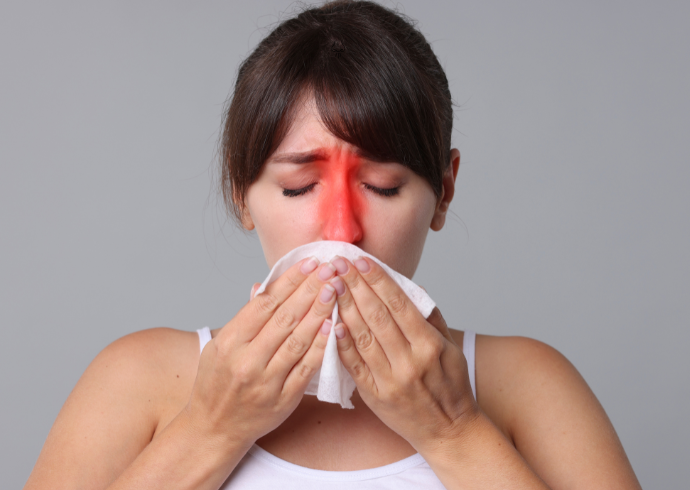
Problems associated with the sinuses usually occur after infection by viruses, bacteria, as well as environmental allergens such as dust and air pollutants. Ayurveda, on the other hand, practices taking into consideration the lifestyle if sinus-related conditions can be precipitated by cold foods, irregular patterns of sleeping and digestion problems referred to as Agni that may give rise to Ama or metabolic toxins clogging the conduits of the sinuses when you notice the sensation of the sinuses around the orbits of the eyes or within the interior parts of the sinuses, it’s not merely “just a little cold.”
Early Symptoms: Is it a Cold or Sinusitis?
Recognizing signs and symptoms of sinus infections can prevent the development of chronic sinusitis. These include:
- Stuffy or blocked nose (Nasa Avrodha)
- Thick nasal discharge (Nasasrava), which may be yellow or green.
- Facial pressure or heaviness over the forehead, cheeks, or behind the eyes
- Low-grade fever, fatigue, or malaise
The question now is whether you notice headaches getting worse when you lean forward or lie down. That’s typical of sinus headaches. And the location matters:
- Frontal sinus: pressure over the forehead
- Maxillary sinus: Pain over the cheek (may mimic a dental pain )
- Sphenoidal sinus: behind the eyes or top/back of the head.
Some sinusitis cases are allergic in nature: dust, pollen, and mould. Here also, there is a big factor of Kapha aggravation to keep the congestion persistent. Ayurveda treats both the environment and the body’s reaction; hence, personalised lifestyle guidance forms part of the treatment in many cases.
Ayurvedic Treatment for Sinusitis: Root Cause Over Symptoms
Ayurveda blends Shodhana (detoxification) as well as Shamana (palliative methods).
Shodhana: Nasya Therapy
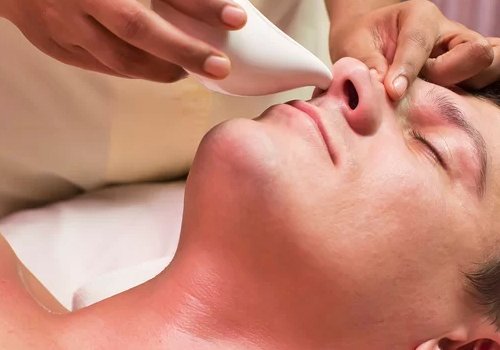
Nasya is a traditional method in which medicinal oils, pills or decoctions are injected through the nose.
- Pre-treatment, also known as Purvakarma, comprises a facial massage (Abhyanga) and steam (Swedana) to loosen the mucus and open the channels.
- The principal technique (Pradhana Karma) involves the instillation of Nasyaoils through the nose that travel to Shiro Bhaga (head), as well as assists in removing unpleasant doshas.
- Inhaling smoke from herbs (Dhoomapana) or gargling, as well as breath exercises (Bhastrika), are all a part of the post-treatment (Paschat Karma) that can help prevent the recurrence of the condition.
- In the case of chronic conditions, more extensive detoxification strategies such as Vamana or Virechana may be recommended under the supervision of a physician.
Shamana Shamana: Supportive Care
Herbal remedies and internal therapies:
- Reducing Ama
- Support digestion (Agni)
- The Balance of Vata and Kapha
Some of the best forms of treatment include steam inhalation with warm steam, light gargling, low heating, and diet changes. Have you ever thought that not eating cold foodstuffs makes your congestion less obvious? That is not just a coincidence; it is Ayurveda doing its thing. Cold food serves to provoke the Vata and Kapha, and therefore, diet plays a great role in the treatment of sinusitis based on Ayurveda.
Diet, Lifestyle, long-term relief, and lifestyle
Ayurveda does not end at the nostrils. Long-term relief is often derived from:
- Herbs: Warming herbs that aid in the removal of toxins and digestion
- Diet Food: Eat light, warm meals. Stay away from food items that are cold and heavy, which can trigger mucus.
- Techniques for breathing and Yoga: gentle pranayama helps to promote sinus drainage
- The routine: reducing stress, seasonal adjustments, and good hygiene at night
Small, consistent habits prevent recurrence. Ayurveda isn’t a way to fix things in a flash, but it’s about continuous improvement.
Knowing When to Seek Expert Ayurvedic Guidance
Ayurveda is a powerful treatment, but it is not a substitute for emergency treatment. If you notice any of these symptoms, seek medical assistance immediately:
- A fever that is high or a large amount of swelling on the face.
- Vision changes or neurological signs
- Severe tooth pain that is severe
- It isn’t as if symptoms disappear even after 12 weeks of treatment
Conclusion
Sinus problems can be a source of frustration. Sometimes, your nose may feel filled with pus; other times, it’s an uncomfortable pressure that’s difficult to get rid of. Ayurveda does not promise a quick solution. Instead, it is focused on balance, namely Kapha, Vata, digestion, and the hidden toxins known as Ama.
Small, consistent habits are important. Warm meals. Gentle pranayama. Be aware of the changes in your sleep and seasonal patterns. It may feel like nothing; however, over time, the sinuses will be cleared, headaches lessen, and nasal discharge decreases. Yes, it’s a matter of patience and perseverance. However, it isn’t a need for extreme measures.
Nasya treatments, herbs, diet modifications, and lifestyle changes collaborate. Consider it an effort of a team: each step assisting the following. If you’re stuck by the end of the day, combining Ayurveda treatment along with an ENT consult ensures there is no missed opportunity.